Blog
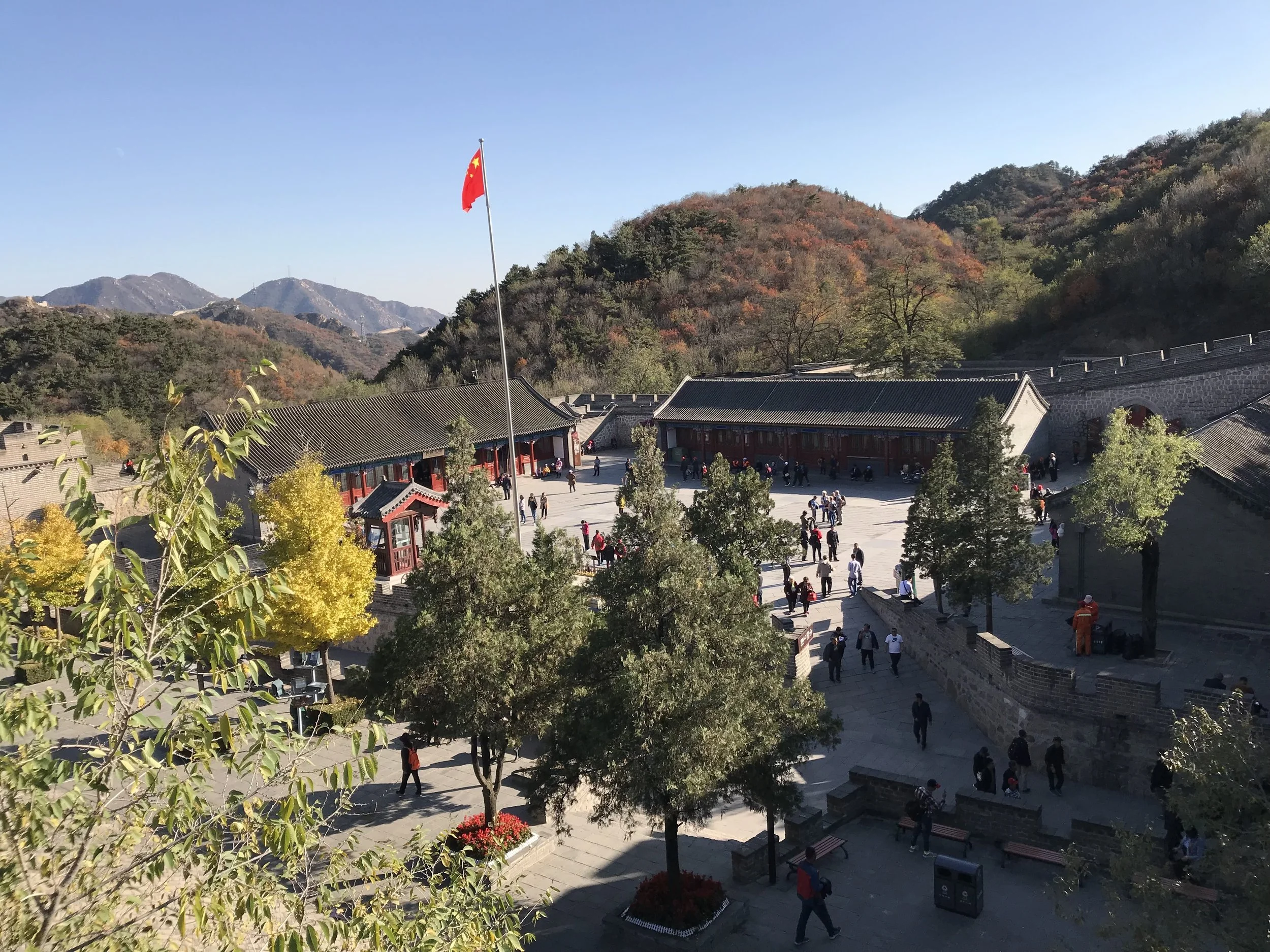
Learning Along the Way: Designing Travel for Discovery, Growth, and Becoming
Summer has always carried a particular invitation. In the Northern Hemisphere, the days grow longer, calendars loosen, and many of us step away from the routines that have shaped the rest of the year. We take vacation days, board planes and trains, drive unfamiliar roads, and arrive somewhere different.
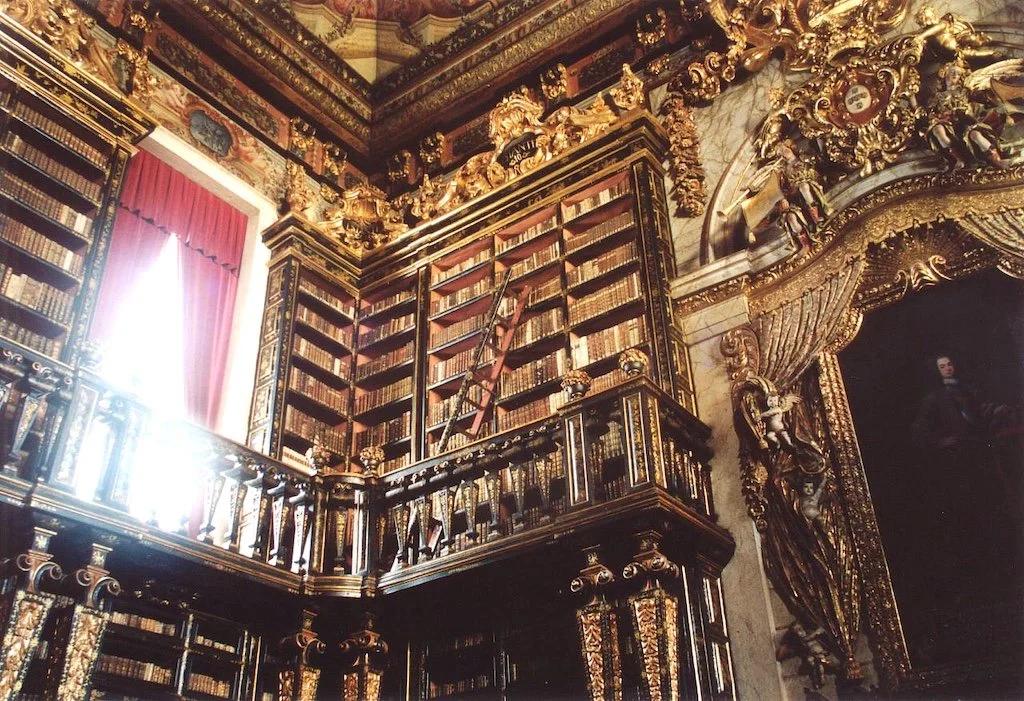

The Legacy of Trusted Leadership: Ripples That Reach Beyond Intention
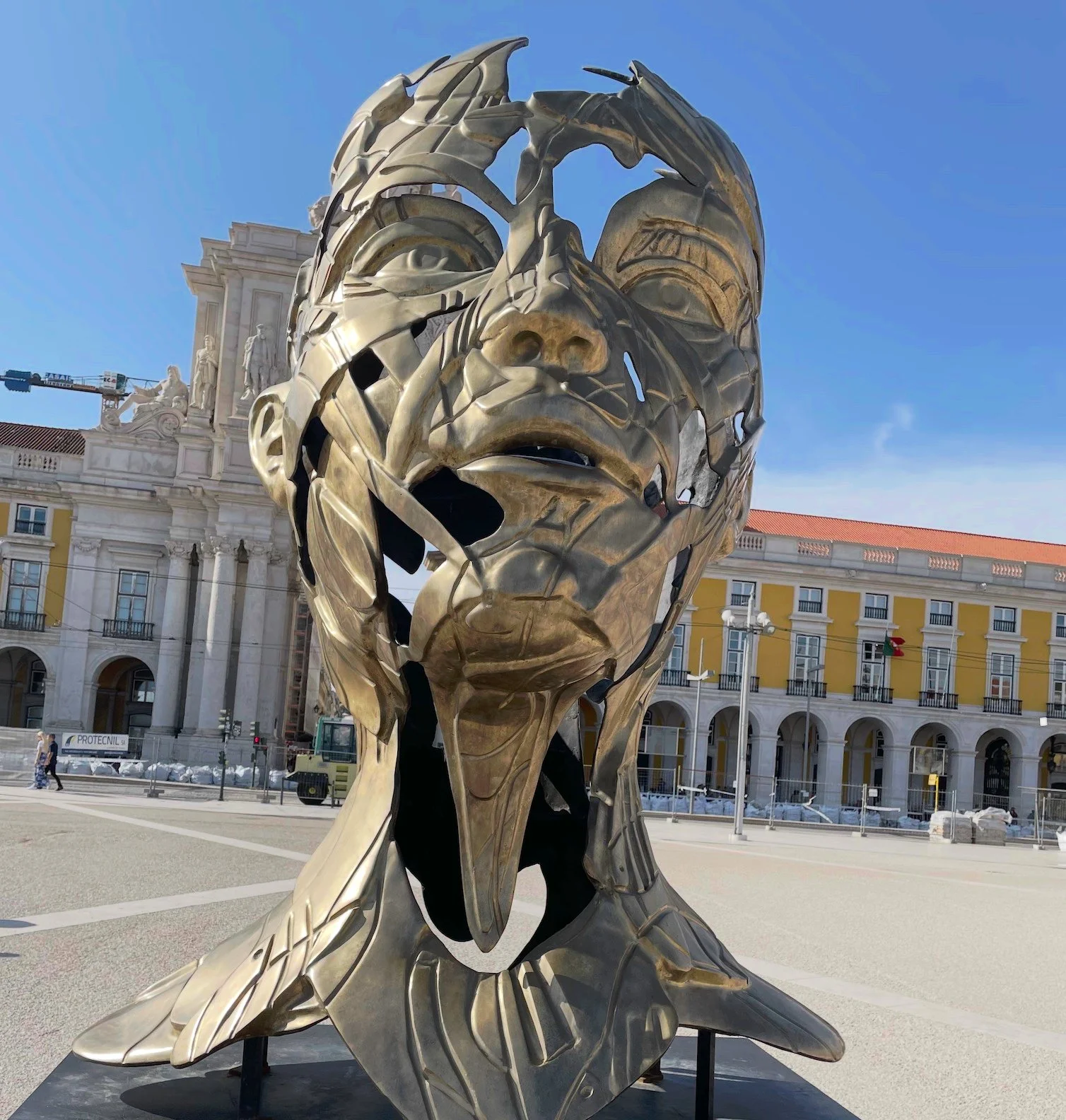
In academic and research settings, legacy is frequently associated with visible markers of recognition: a room named after someone, a sculpture placed in a courtyard, or perhaps even a building bearing a person’s name. These symbols commemorate careers or individuals, but they rarely capture the true essence of leadership.

Trusted Leadership as Mentorship in Action
Drawing on my seven years as director of a research center at a U.S. public university, I explore how mentorship sustains healthy learning organizations and enables others to lead with confidence. I also reflect on a quieter leadership test: recognizing the value people already bring, including those inherited from prior leadership.
Trusted leadership is revealed in the ability to bring individuals along, elevate them through meaningful opportunities, and earn their buy-in as strategic vision takes shape. When people feel valued, respected, and included in direction-setting, mentorship becomes the daily practice through which shared purpose turns into collective momentum.

Trust, Resilience, and the Audacity to Lead Through Uncertainty
Leadership is tested not in moments of stability but in moments of disruption. In times of uncertainty, the trusted leader becomes more visible. In the third edition of the Leadership in Education and Training series, I reflect on how trusted leadership (Galford & Drapeau, 2002) sustains resilience amid profound uncertainty and transformation, and how empathy, adaptability, and clear communication enable organizations to navigate disruption without losing their sense of purpose, drawing on my experience as the director of a university research center.
In earlier reflections, I explored leadership as an inward journey of trust and self-awareness and as a form of orchestration that aligns vision, learning, and people. This edition builds on those foundations by examining what happens when certainty dissolves, routines collapse, and leaders are called to guide others through terrain no one fully understands.
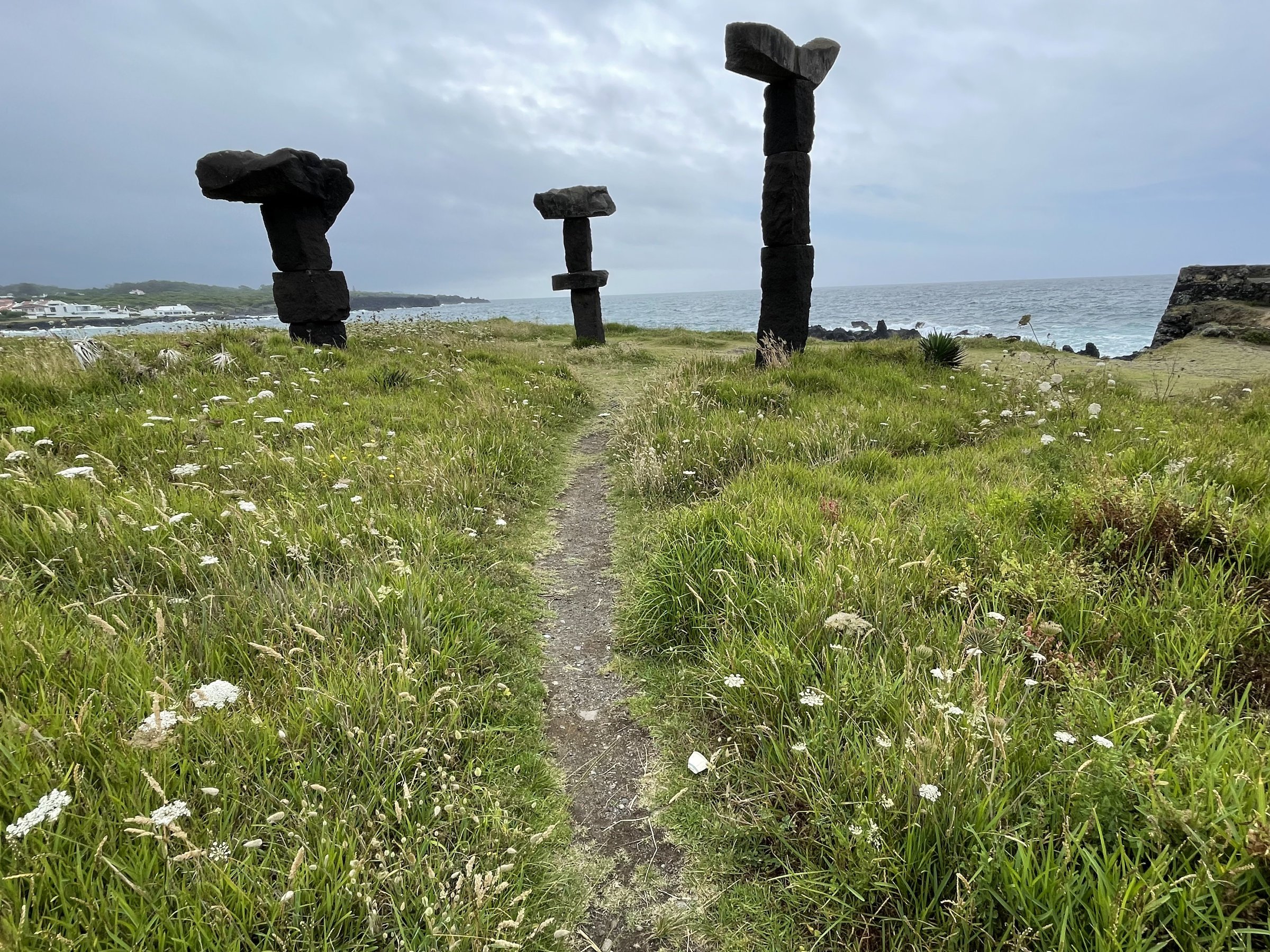
The Trusted Leader: The Journey Within
When I first stepped into the role of director of a university research center seven years ago, I knew that leadership would demand vision, decisiveness, and strategic thinking. What I did not fully grasp at the time was that leadership, at its deepest level, is a mirror. It reveals more about who we are than about what we do. The first few weeks in my new role were filled with budgets, meetings, and expectations. Yet amid the urgency, I sensed that the most important task was not organizational but relational. Instead of starting with structure, I started with people.

The Maestro’s Baton: On Leadership, Learning, and Vision
A few weeks ago, I attended a performance of the Columbus Symphony Orchestra. It was one of those Sunday afternoons when sound, silence, and light converged into something unforgettable. Though my knowledge of music is limited, I found myself captivated by the figure of the conductor — the maestro — whose movements held the power to unify dozens of musicians into a single, breathing organism of sound.

AI in Education: Lessons from Brazil and the Global South
This month, I had the privilege of visiting Brazil, where I participated in a conference in Curitiba and presented at the University of São Paulo. Both engagements allowed me to share my research on Artificial Intelligence (AI) in education and teacher education. Yet the greatest lessons came not from what I presented, but from what I heard and witnessed.